The science
Continuous glucose monitors are becoming popular wellness tools for those who like to track their health data—but their usefulness is complicated.
The devices were originally designed for people with diabetes who require insulin, but in the last few years, the Food and Drug Administration (FDA) cleared the first over-the-counter CGMs for people who do not take insulin. Since then, a few companies have released monitors that can be used by anyone, including people who don’t have diabetes.
CGMs do not measure your blood sugar directly. Instead, the sensors attach to the arm like a sticker, and a tiny, painless needle inserted just under the skin measures glucose levels in your interstitial fluid (the fluid between your cells), which closely reflects the glucose levels in your blood. The device pairs with a smartphone app that continuously measures, records, and displays your glucose values.
The apps can alert you to glucose spikes, and they provide educational info to help you analyze the data—which doctors say is important, because not every spike is a problem. Doctors also warn that CGMs are not always perfectly accurate, so they are most useful for understanding trends rather than inspecting individual data points.
The potential benefits
The research is still evolving on the use of CGMs in non-diabetics. While we know that high blood sugar increases the risk of heart disease for people with diabetes, there is less evidence about the health effects these monitors have on other people. Studies of non-diabetic people using CGMs have largely found that their blood sugar stays in a normal range most of the time, and the clinical significance of many CGM fluctuations in this population remains uncertain.
While abnormal glucose regulation and greater glycemic variability are associated with higher risk of cardiovascular disease, cognitive decline, and dementia, there is not yet good evidence that routine CGM use in non-diabetic individuals improves long-term cardiovascular or brain health outcomes.
Some doctors say having access to this data can motivate people to eat well and exercise. “Being able to see how different foods affect your blood sugar in real time can be incredibly informative,” says Dr. Gabrielle Page-Wilson, Director of Endocrinology and Metabolic Health at the Atria Health Institute. “Data from a CGM can provide insights and identify trends to help shape healthy habits now before metabolic issues occur,” she adds.
There’s a huge potential market for these devices. About three-quarters of Americans have overweight or obesity, and more than one in three adults (almost 100 million people) has prediabetes, the vast majority of which is undiagnosed. While Dr. Page-Wilson cautions that CGMs aren’t a diagnostic tool, they could help people at higher risk for diabetes monitor their blood sugar and detect trends.
Other groups that could benefit are optimizers or high-performance athletes. In addition to watching out for glucose spikes, athletes can use CGMs to keep their sugar—and thus energy—from dropping too low during a workout.
While CGMs can provide useful insights for people in any state of health, doctors caution that many glucose changes are normal in people without diabetes, so it’s important to speak with a health care professional and learn how to interpret the data before trying a CGM.
Usage guidelines
Most health care professionals say the best way for healthy people to use CGMs is as a temporary experiment that can help them understand glucose patterns and make adjustments to find an optimal routine.
To set this up, Adam Ross, a registered dietitian at Atria Health and Research Institute, suggests people start by wearing their glucose monitor while they go about their regular life for a week. During that time, it’s useful to track what you eat and notice which foods lead to changes in your glucose. “It’s always good to have a baseline understanding of what your current routine is doing for you so you can target what you need to adjust,” Ross says.
Once you see the initial pattern, try making changes based on that data and find habits that are more comfortable for you. After about a month, Ross and other experts say you’ll likely have a sense of how different foods and activities affect your glucose, so you can stop wearing a CGM.
While using a CGM, logging your meals, exercise, major stressors, and any illness will help you and your care team use the data to develop health strategies. Here are important areas to track:
- Log specific foods: Notice which foods cause your glucose to spike and which keep your levels steady.
- Try combining foods: Observe the impact of eating carbohydrates alone compared to eating carbs in combination with protein or high-fiber foods like vegetables.
- Experiment with food order: Try eating protein first, then non-starchy vegetables, then carbs.
- Play with portion size: Look at how your glucose reacts to different size meals.
- Track your exercise: Try going on a walk or exercising after a meal.
- Pay attention to stress: Glucose can rise in stressful situations, so try looking at your glucose levels in those moments.
- Focus on sleep hygiene: Short sleep durations (<6 hours) are associated with higher glucose levels and stronger carbohydrate cravings. Aim to get 6-8 hours of sleep.
CGMs are fairly straightforward to use once you start. Here are some expert tips for the best experience:
- Keep the sensor site clean: Clean the area around the sensor to avoid irritation or infection.
- Avoid pressure on the sensor: Try not to press or bump the sensor to prevent discomfort or inaccurate readings. Sleeping directly on the sensor may cause it to malfunction or lead to inaccurate readings, particularly low glucose values.
- Water exposure: CGMs are waterproof. You can wear your CGM while showering or swimming, but always check the manufacturer’s guidelines for specific instructions.
- Stay connected: Ensure you stay within range of your smartphone and that it has enough battery to function.
- Taking action: Respond to alarms by taking the appropriate action (i.e. if you have symptomatic low blood sugar, eat something). If your symptoms aren’t matching the data from your CGM or you are concerned, consult your care team.
If your health or routine changes in the future, it might be useful to try another limited experiment. And if your symptoms aren’t matching the data from your CGM or you are concerned about a family history of diabetes, make sure to consult your doctor.
Product recommendations
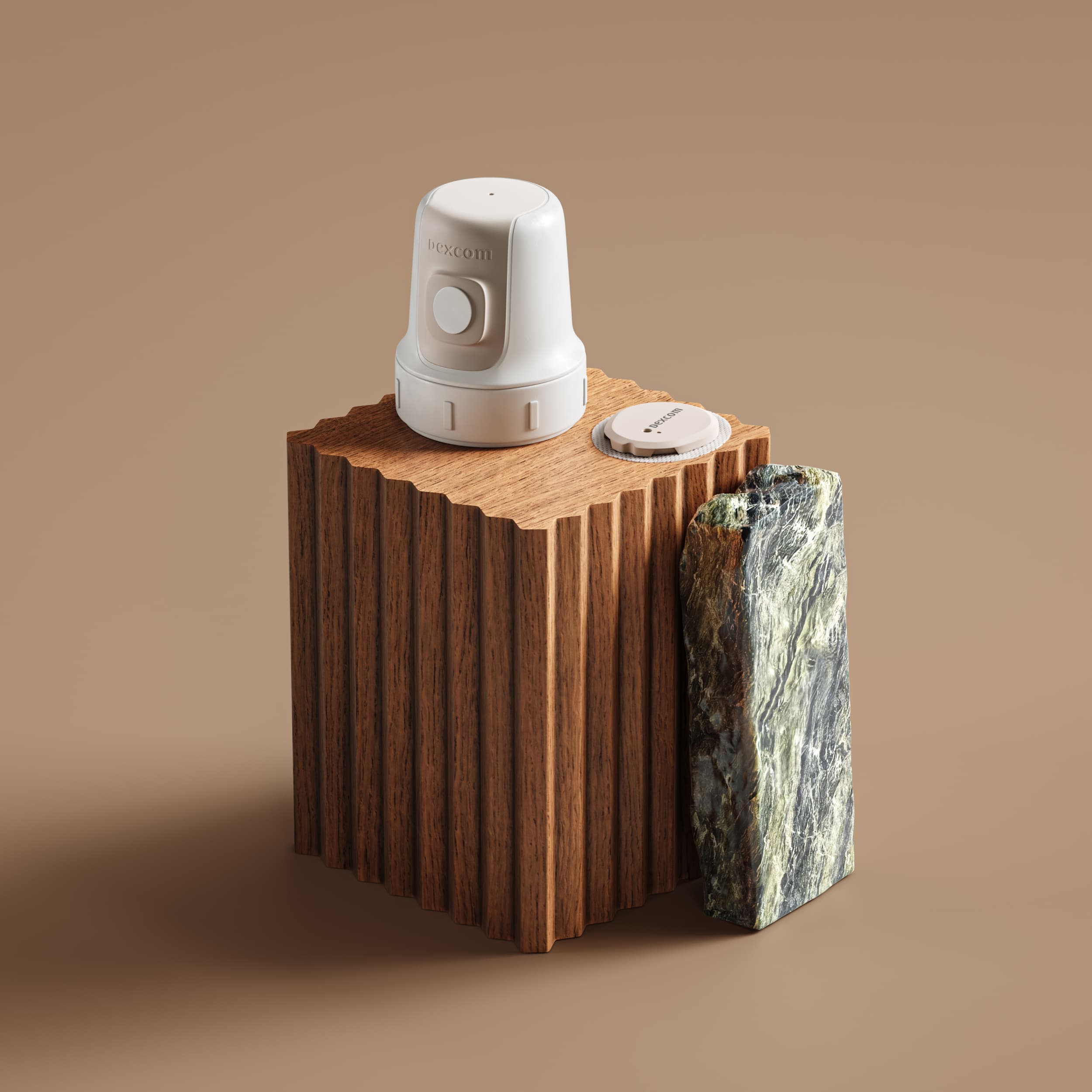
The two main over-the-counter glucose monitors are Stelo by Dexcom, which costs $99 for a month’s supply of two sensors, and Lingo by Abbott, which costs $89 for two sensors. Both devices last for about two weeks. Atria Health Institute clinicians have used both. They are quite similar but the Stelo has the added ability to share your data directly with a health care provider and offers alerts for glucose highs and lows, as well as for rapid drops, which can be helpful if you’re tracking changes tied to different activities.